
Armenia Passes New Law Limiting Voting Rights for Armenian Citizens Living Abroad

Armenia has approved major changes to its election laws that will restrict voting in parliamentary elections and national referendums to citizens who have spent a minimum amount of time living in the country.
The National Assembly passed the legislation in its second and final reading on July 3. Under the new rules, Armenian citizens must have spent at least 366 days in the country during the two years before an election or referendum to remain eligible to vote.
Citizens must also return to Armenia well before voting takes place. For regularly scheduled elections and referendums, voters must be in the country at least 48 days before Election Day. In the case of snap elections, the deadline is 28 days before voting.
The changes mean that Armenian citizens who live abroad will no longer be able to travel to Armenia shortly before an election solely to cast a ballot if they do not meet the new residency requirement.
The legislation was introduced by Civil Contract lawmakers Alkhas Ghazaryan, Arusyak Manavazyan, Hasmik Hakobyan and Arusyak Julhakyan.

According to the bill’s explanatory note, the changes were proposed following Armenia’s June 7 parliamentary elections. The authors said a large number of Armenian citizens living abroad traveled to the country specifically to participate in the vote, leading lawmakers to propose stricter residency requirements for future elections.
Similar requirements will apply to local elections. In addition to meeting the broader residency rules, citizens must be registered as residents of the municipality where they plan to vote for at least six months before Election Day.
The law includes exemptions for citizens whose time abroad is connected to education or official duties. The exemptions cover students studying at foreign universities, public servants sent abroad on official assignments, diplomats, consular employees and family members living overseas with them.
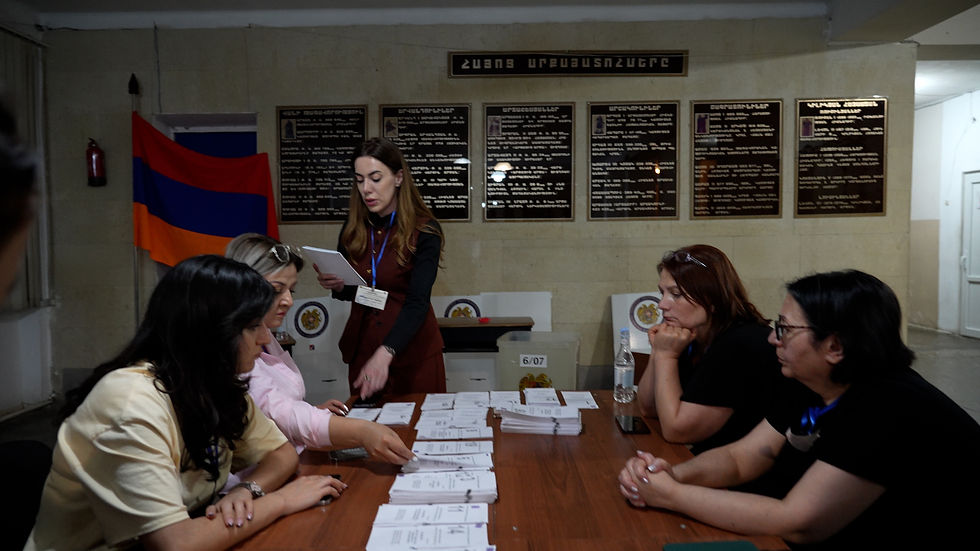
The amendments change both Armenia’s Electoral Code and the Law on Referendums. The new rules will take effect one day after their official publication.
The changes could affect Armenian citizens across the diaspora who maintain their citizenship but spend most of their time outside the country. Supporters of the legislation argue that national election results should primarily reflect the choices of people who live in Armenia and are directly affected by government decisions.
The new restrictions are also likely to raise questions over whether Armenian citizens should retain the same voting rights regardless of where they live and how often they are physically present in the country.
—
Support independent reporting from the region by subscribing to The Armenian Report. Our team is funded solely by readers like you.


.png)
Comments