
Council of Europe Warns Thousands of Forcibly Displaced Artsakh Armenians Still Face Housing, Citizenship, and Economic Struggles in Armenia

The Council of Europe’s Commissioner for Human Rights, Michael O’Flaherty, has called for sustained international support and stronger integration measures for Armenians forcibly displaced from Nagorno-Karabakh, warning that many continue to face significant social, economic, and legal challenges nearly three years after their forced mass exodus.
In a memorandum released following his visit to Armenia, O’Flaherty welcomed the Armenian government’s initial response to the humanitarian crisis but stressed that the focus must now shift from emergency assistance to long-term integration and protection of rights.
The Commissioner listed several positive steps taken by Armenian authorities, including streamlined access to citizenship, housing assistance, rental support, education programs, and employment initiatives. By February 2026, more than 20,000 displaced Karabakh Armenians had acquired Armenian citizenship, while temporary protection status remains available for those who have not yet completed the process.
Despite these efforts, the memorandum notes that many displaced Armenians continue to struggle with access to full rights and opportunities. Thousands remain without citizenship, limiting their eligibility for certain benefits and services. Difficulties restoring identity documents have further complicated access to housing, employment, education, and pensions.
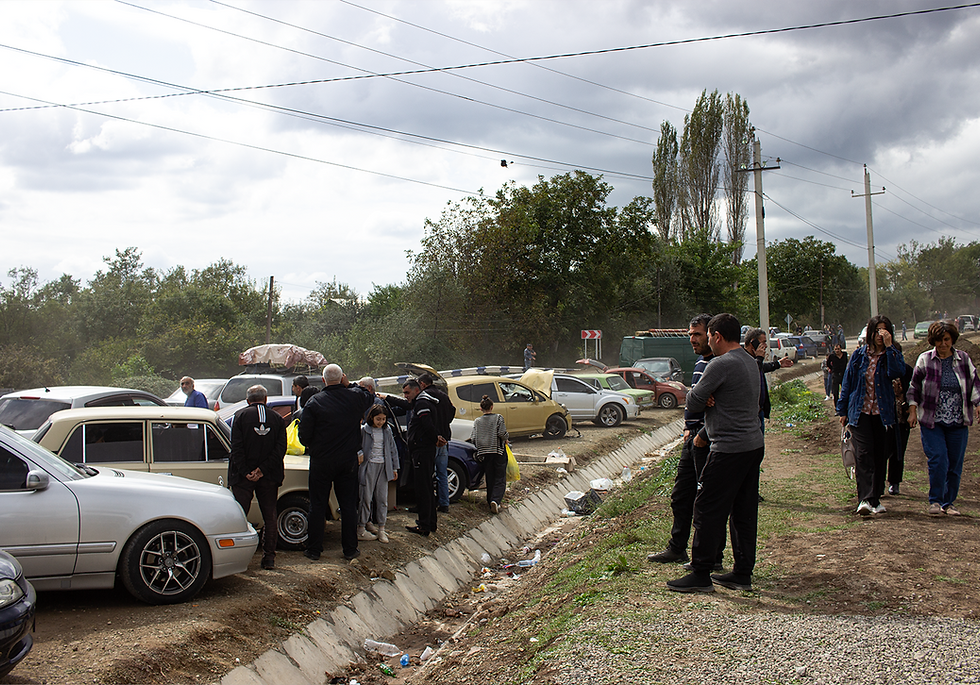
Housing remains one of the most pressing concerns. While government support programs have helped many families, rising property prices in areas with stronger economic opportunities have placed homeownership beyond the reach of numerous displaced households. The reduction of monthly rental subsidies has also raised concerns within the community.
The Commissioner additionally pointed to the absence of a comprehensive integration strategy and called for greater consultation with displaced Karabakh Armenians on policies directly affecting their future.
Particular attention was given to the challenges facing displaced women and girls. The report warns that women face heightened risks of violence, economic hardship, and social pressures linked to caregiving responsibilities and gender-based discrimination, often encountering additional barriers when seeking support and protection services.
The memorandum also underscores that the right to return remains an important issue for many Karabakh Armenians. Amid ongoing regional peace efforts, O’Flaherty urged Armenian authorities to ensure that displaced people are fully informed and able to make free and informed decisions about their future.

Among the recommendations put forward are the adoption of a comprehensive human rights-based integration strategy, continued simplification of citizenship procedures, expanded support for vulnerable groups, stronger protections for displaced women and girls, and the extension of temporary protection measures as long as necessary.
The Commissioner also called on the international community to remain actively engaged in supporting Armenia’s efforts to integrate tens of thousands of displaced Karabakh Armenians and address their long-term needs.
—
Support independent reporting from the region by subscribing to The Armenian Report. Our team is funded solely by readers like you.


.png)
Comments