
EU Commissioner Makes Jam From Armenian Apricots, Calls on Europeans to Support Armenian Farmers
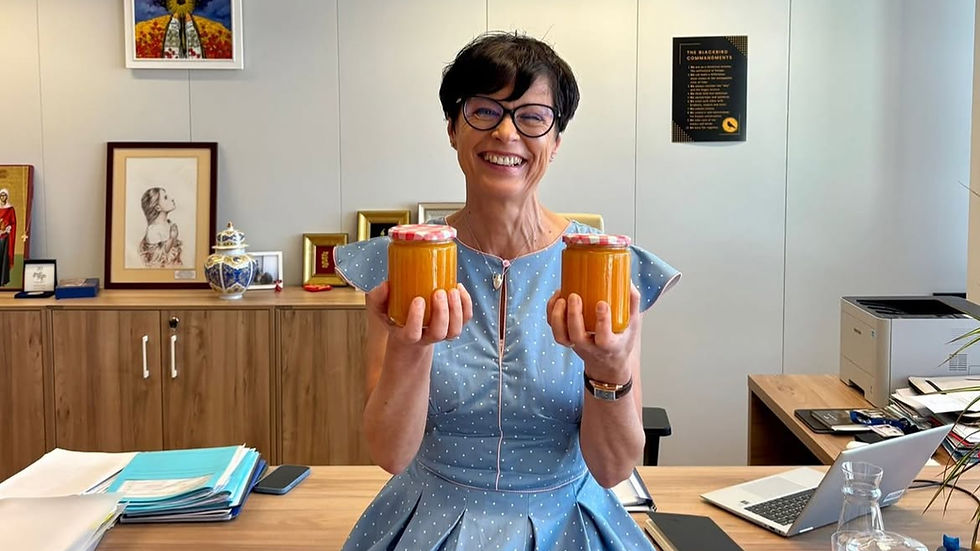
EU Commissioner for Enlargement Marta Kos has turned Armenian apricots into homemade jam after bringing a basket of the fruit back to Brussels following her visit to Armenia last week, using the finished jars to spotlight Armenia’s growing ties with the European Union and encourage Europeans to support Armenian farmers.
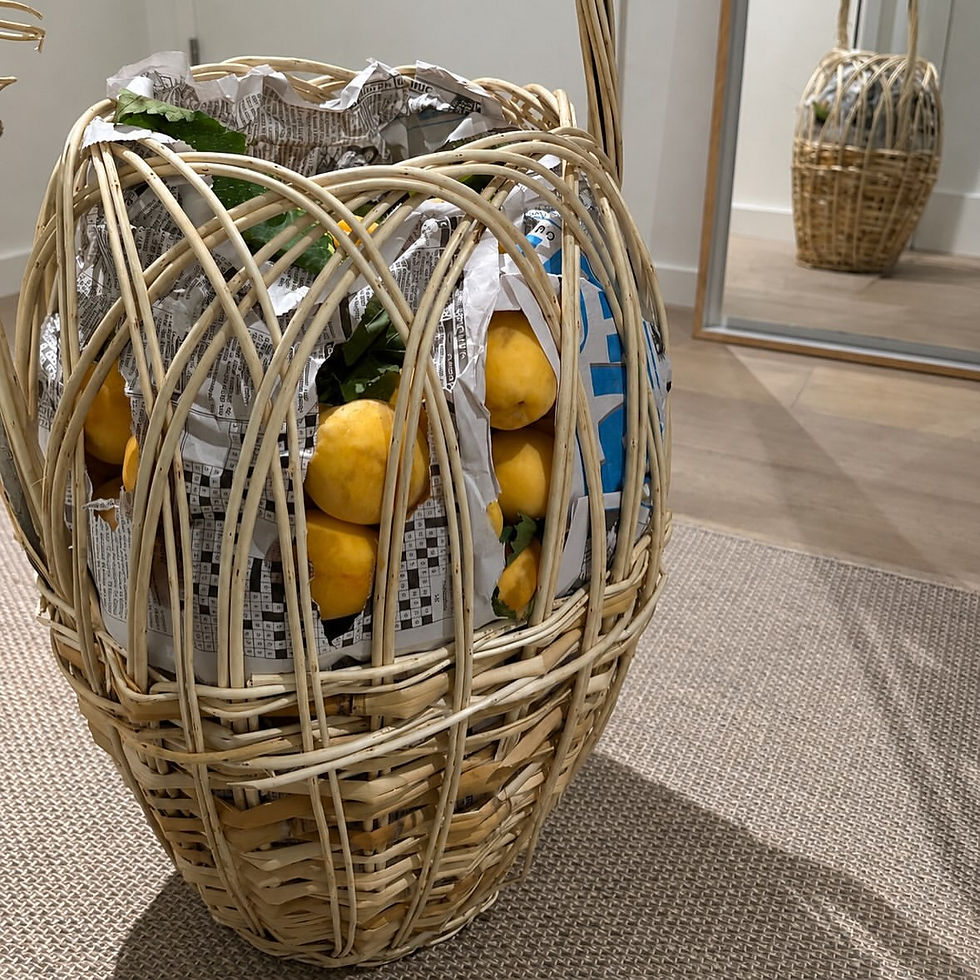
In an Instagram post, Kos said she returned from Armenia with a large basket of apricots. Some were given to friends, while the rest were made into jam.

“This is jam I made from Armenian apricots,” she wrote. “A friend looked at the jam and said, ‘Jars of freedom.’ I thought that was a beautiful way of putting it.”
Kos said the apricots have come to symbolize what she described as a political shift in Armenia following the June 7 parliamentary elections, in which a majority of voters backed parties seeking closer relations with the European Union.
She also claimed Russia attempted to influence the election by restricting imports of Armenian fruit and flowers. According to Kos, the European Union responded by opening its market to more Armenian agricultural products, helping local producers reach new customers.

The commissioner urged shoppers across Europe to buy Armenian apricots, plums, and cherries whenever they see them in stores, saying even small purchases can support Armenian farmers and the country’s democratic choice.
Kos first showed Armenian apricots few weeks after the European Union received its first symbolic shipment from Armenia. At the time, she met with Armenia’s Minister of Territorial Administration and Infrastructure, Davit Khudatyan, ahead of the launch of the EU’s Connectivity Agenda platform, an initiative aimed at strengthening transport links and expanding trade between Armenia and Europe.
The initiative comes as Armenia works to diversify its export markets. More than 93% of the country’s fresh apricot exports were shipped to Russia in 2024, according to international trade data, making the agricultural sector heavily dependent on a single market.
That effort has gained urgency after Russian authorities imposed restrictions on several Armenian agricultural products in recent months, creating uncertainty for exporters. Moscow has also warned that Armenia could eventually face a choice between deeper integration with the European Union and continued membership in the Eurasian Economic Union.
—
Support independent reporting from the region by subscribing to The Armenian Report. Our team is funded solely by readers like you.


.png)
I really liked the way this post presents its information in a calm and understandable style. It made me curious to explore the subject a little further, and I found jaya9 during that process. Related resources can be useful when readers want to continue exploring a topic naturally.
Weekly battles give FNF a compact sense of adventure, as each stage introduces a different rival, mood, and song collection. This structure keeps the journey easy to follow while still letting the rhythm gameplay remain the main fo cus of every encounter. https://fnf-games.io