
OSCE Officially Dissolves Minsk Group After 30 Years of Artsakh Mediation
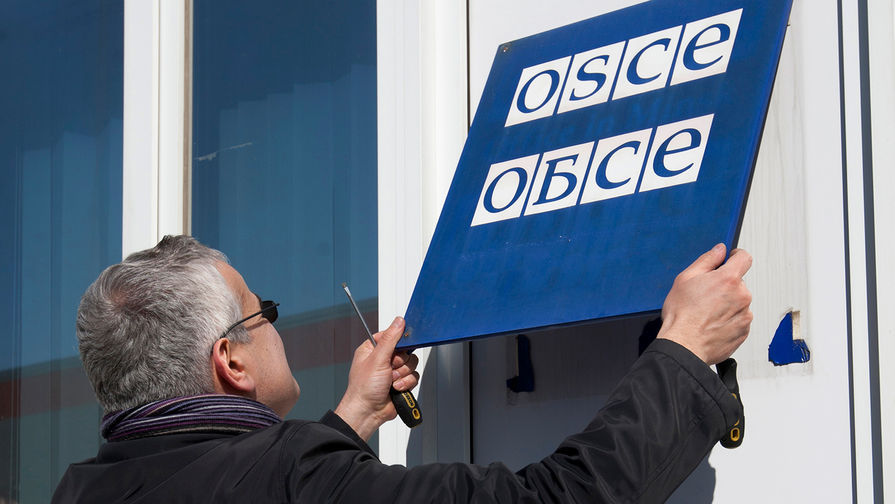
The Organization for Security and Co-operation in Europe (OSCE) has officially confirmed the complete closure of the Minsk process, its institutions, and all structures linked to it. This is the formal end of an international mediation format that had been in place for more than three decades to help resolve the Nagorno-Karabakh conflict.
According to the OSCE, the dissolution became effective on November 30 at 11:59 pm. The move followed a decision by the OSCE Ministerial Council made on September 1, 2025, based on a joint request from Armenia and Azerbaijan to Finland, which holds the OSCE chairmanship. The statement read that all administrative procedures have now been completed, meaning the Minsk process is officially closed.
The request to end the OSCE Minsk Group was signed on August 8 by the foreign ministers of Armenia and Azerbaijan. This joint step was a sign that both countries were ready to close the long-running mediation format that had been central to negotiations for decades.

On November 12, Armenian Prime Minister Nikol Pashinyan reminded the public that he intended to release documents from past negotiation rounds after the group’s legal dissolution. He said that once the OSCE Minsk Group no longer existed, there would be no political or moral limitation preventing the publication of those materials.
“It is expected that by the end of the year the OSCE Minsk Group will be dissolved de jure, and the moral and political restriction will disappear — meaning that structure will no longer exist, and we will be free to publish those papers. The proposals from April, June, July, and August of 2016 will be published, and you will know what was being negotiated,” Pashinyan said during a briefing in Parliament.

The OSCE Minsk Group was created in the early 1990s as an international platform to support a peaceful settlement of the Nagorno-Karabakh conflict. Russia, the United States, and France served as co-chairs, while Armenia, Azerbaijan, Belarus, Germany, Italy, Turkey, Finland, and Sweden were permanent members. The group’s responsibilities included guiding negotiations between Armenia and Azerbaijan, helping both sides work toward a peace agreement, and planning for potential OSCE peacekeepers in the conflict zone.
While the Minsk Group played a central role for many years, its activities sharply decreased after 2022. The last joint statement from the co-chairs was issued on December 7, 2021.
The formal dissolution now officially closes a chapter in the diplomatic history of the Nagorno-Karabakh conflict. As Armenia waits for the promised publication of negotiation papers, attention is turning to how these documents might shape public understanding of the positions and proposals discussed over the years.
—
Support independent reporting from the region by subscribing to The Armenian Report. Our team is funded solely by readers like you.


.png)
Comments