
Russia Says Armenian Dairy Products Fail Safety Standards, Imposes New Import Restrictions

Russia has imposed new restrictions on imports of Armenian dairy products, further escalating a series of trade barriers that have disrupted Armenian exports to one of their largest foreign markets.
Russia’s Federal Service for Veterinary and Phytosanitary Surveillance (Rosselkhoznadzor) announced the measures, saying they are necessary to prevent the spread of infectious animal diseases and stop food products that fail to meet Russian safety standards from entering the market.
The restrictions follow inspections carried out between July 14 and July 21 at several Armenian dairy processing facilities. Those companies had previously been cleared to export to Russia based on certifications issued by Armenia’s veterinary authorities.
According to Rosselkhoznadzor, inspectors found recurring problems that the agency says were also identified during audits in 2023 and 2024. The Russian regulator cited deficiencies in product traceability, veterinary documentation for raw materials and finished goods, sanitary inspections of incoming milk, and compliance with risk management and production control procedures.

The agency also alleged that some dairy products exported to Russia were made with milk obtained from infected livestock. It further claimed that certain producers used raw materials imported from third countries to manufacture high-fat dairy products, despite earlier assurances from Armenian authorities that only milk produced in Armenia or other Eurasian Economic Union member states would be used.
Russian officials also argued that Armenia still lacks a reliable system to verify the origin and safety of milk used in production, particularly milk purchased from individual farmers. Rosselkhoznadzor called for stronger laboratory testing capabilities and criticized what it described as insufficient oversight of agricultural producers, linking those shortcomings to reforms introduced by the Armenian government in 2019.
The latest move expands a broader pattern of Russian trade restrictions on Armenian goods.
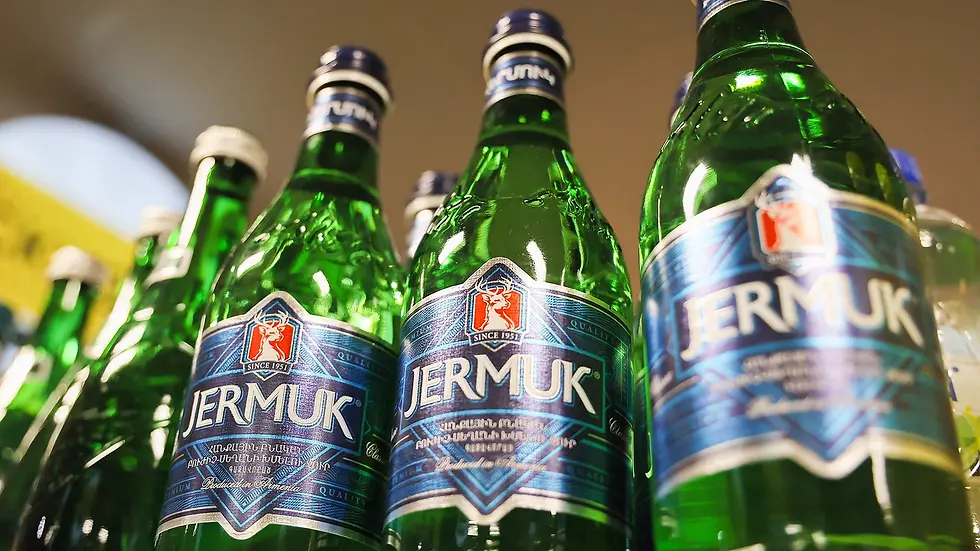
In late April, Russia’s consumer protection agency, Rospotrebnadzor, restricted imports of Armenia’s Jermuk mineral water after raising safety concerns. Similar measures were later imposed on Armenian agricultural products, flowers, alcoholic beverages and other exports.
The timing of the restrictions has fueled political debate in Armenia. Several analysts argue that Moscow began tightening trade controls during Armenia’s 2026 parliamentary election campaign as a way to increase economic pressure on Yerevan. They contend the measures were intended to influence public opinion ahead of the June 7 vote by strengthening support for pro-Russian political forces. Russian authorities have not publicly linked the trade restrictions to Armenia’s domestic political developments.
—
Support independent reporting from the region by subscribing to The Armenian Report. Our team is funded solely by readers like you.




Comments