
Russia Threatens Armenia’s Cheap Gas Supply as Tensions Deepen With Pashinyan Government
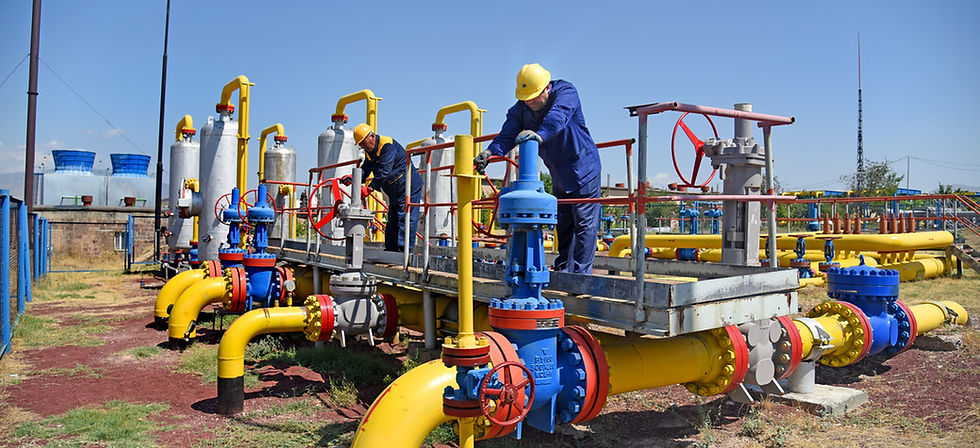
Russia has reportedly warned Armenia that it could lose heavily discounted natural gas supplies if Yerevan continues moving closer toward the European Union, adding a new layer of tension to the already worsening relationship between the two countries ahead of Armenia’s June 7 parliamentary elections.
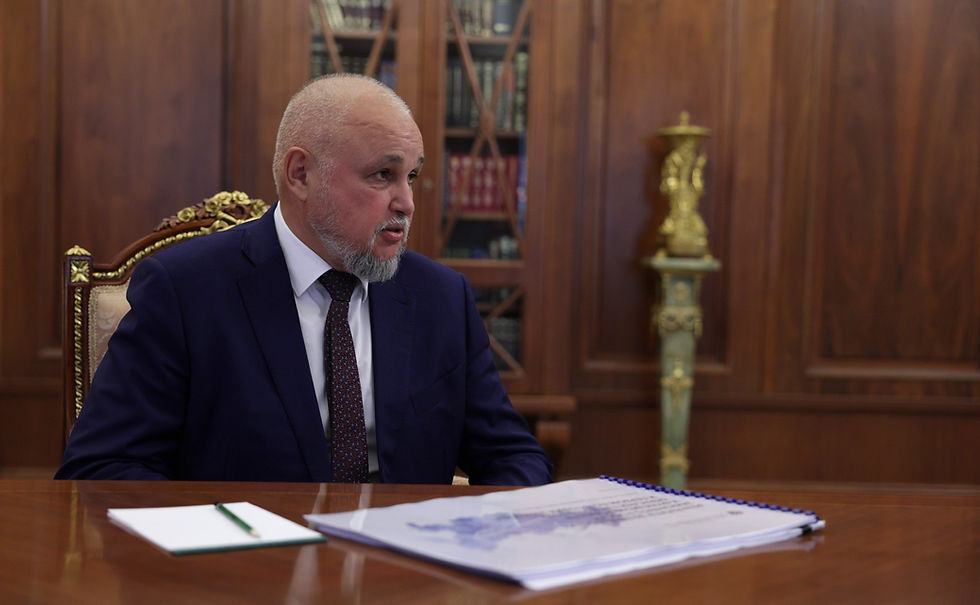
The warning was revealed in a letter sent by Russian Energy Minister Sergei Tsivilev to the Armenian government and published by the Russian daily Kommersant. According to the report, Moscow argued that Armenia’s efforts toward European integration “do not correspond to the nature of the partnership between the governments and economic entities of our countries.”
The letter reportedly warned that Russia could suspend or completely cancel a 2013 agreement that exempts Russian natural gas, oil products, and diamonds exported to Armenia from Russian export duties. That agreement has long played a major role in keeping Armenia’s gas prices significantly lower than international market levels.
The agreement was signed shortly before Armenia joined the Eurasian Economic Union, also known as the EEU, a Russia-led economic bloc that includes Armenia, Russia, Belarus, Kazakhstan, and Kyrgyzstan. In recent weeks, Russian officials have repeatedly warned that Armenia cannot continue seeking eventual membership in the European Union while remaining inside the EEU.
Russian officials have increasingly connected Armenia’s European ambitions with the possibility of economic consequences. Russian parliament speaker Vyacheslav Volodin publicly complained about the gas discount Armenia receives from Moscow.
“We supply gas to Armenia at a quarter of its price, to our own detriment (the price in Armenia is $177.50 per thousand cubic meters, while in Europe it's $633 per thousand cubic meters),” Volodin said on Friday. “During these difficult times, we are supporting Armenia's economy and its citizens. What we get in return is [Prime Minister Nikol] Pashinyan's meanness and dishonesty. This cannot continue.”
Prime Minister Nikol Pashinyan responded by arguing that Russia cannot unilaterally raise gas prices because the price formula is fixed under a 10-year supply contract signed in 2022.

Speaking during his campaign for Armenia’s upcoming parliamentary elections, Pashinyan also rejected what he described as Russian pressure tactics.
“The people of Armenia must have an alternative: to be part of the EEU or to be part of the European Union,” Pashinyan told supporters. “I will not decide that, you will decide that. My task is to give you alternatives, and you have alternatives. Our partners responding to this with threats, even if hidden, are acting against themselves.”
Pashinyan further claimed that Armenia could eventually handle higher gas prices because of future economic opportunities connected to transportation routes and regional trade with neighboring Turkey and Azerbaijan. According to him, Armenia could soon benefit from “billions and trillions” of dollars tied to new commercial projects and regional connectivity initiatives.
Russia remains Armenia’s dominant energy supplier, accounting for at least 80% of the natural gas imported into the country. Russian gas is widely used not only by households and power plants but also by important sectors of Armenia’s economy, including agriculture and food production.
The latest dispute comes during a period of rapidly deteriorating Armenian-Russian relations. Tensions have grown especially after two major European summits held in Yerevan earlier this month, where Armenia deepened discussions with European partners about political cooperation, democratic reforms, and future integration.
Russian President Vladimir Putin is expected to discuss Armenia’s future inside the EEU during Friday’s summit of member-state leaders. Pashinyan is expected to boycott the gathering, further highlighting the growing divide between Moscow and Yerevan.
At the same time, Russian officials have increasingly warned that Armenian exporters could lose tariff-free access to Russia’s massive market if Armenia continues distancing itself from Moscow politically and economically.
The economic stakes are significant. Armenian exports to Russia reached nearly $3 billion last year, while exports to EU countries totaled approximately $667 million during the same period.
In recent months, Russia has already imposed several trade restrictions targeting Armenian products. Russian authorities banned imports of Armenia’s well-known mineral water brands, citing sanitary concerns. Restrictions were also placed on Armenian cut flowers exported to Russia.
Over the weekend, Russian authorities introduced another ban affecting wine and brandy products made by three Armenian companies, again citing sanitary reasons.
In addition, hundreds of Armenian cargo trucks carrying various goods have reportedly become stranded at the only Georgian-Russian border crossing. Drivers speaking to Radio Free Europe/Radio Liberty’s Armenian Service said Russian customs officials were slowing entry procedures through additional sanitary inspections and lengthy delays.
The developments have fueled growing concerns inside Armenia that Moscow may continue using trade, customs procedures, and energy supplies as tools of pressure as Yerevan moves closer toward Europe politically and diplomatically.
—
Support independent reporting from the region by subscribing to The Armenian Report. Our team is funded solely by readers like you.


.png)
Comments